The kaleidoscopic outcomes of planet formation
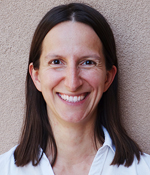
- Physics and Astronomy Colloquium
October 17, 2025 3:30 PM -
October 17, 2025 4:30 PM
PAIS 1100
- Host:
- Richard Rand
- Presenter:
- Diana Dragomir
October 17, 2025 3:30 PM -
October 17, 2025 4:30 PM
PAIS 1100
LEGEND: recent results and future prospects in the search for neutrinoless double-beta decay in 76Ge
Jason Detwiler (Univ Washington)
Physics and Astronomy Colloquium
Aug. 21, 3:30 PM
- Aug. 21, 4:30 PM
PAIS 1100
Constraining mysteries of QCD in vacuum and quark-gluon plasma
Preeti Dhankher Lesser (Nikhef)
Nuclear, Particle, Astroparticle and Cosmology (NUPAC) Seminars
Aug. 25, 2:00 PM
PAIS 3205
TBA
Ramya Bhaskar (Sandia)
Nuclear, Particle, Astroparticle and Cosmology (NUPAC) Seminars
Sep. 1, 2:00 PM
PAIS 3205
Cosmic Explosions and Cosmic Accelerators: The Dawn of the Multimessenger Age
Regina Caputo
Physics and Astronomy Colloquium
Sep. 25, 3:30 PM
- Sep. 25, 4:30 PM
PAIS 1100

© The University of New Mexico
Albuquerque, NM 87131, (505) 277-0111
New Mexico's Flagship University